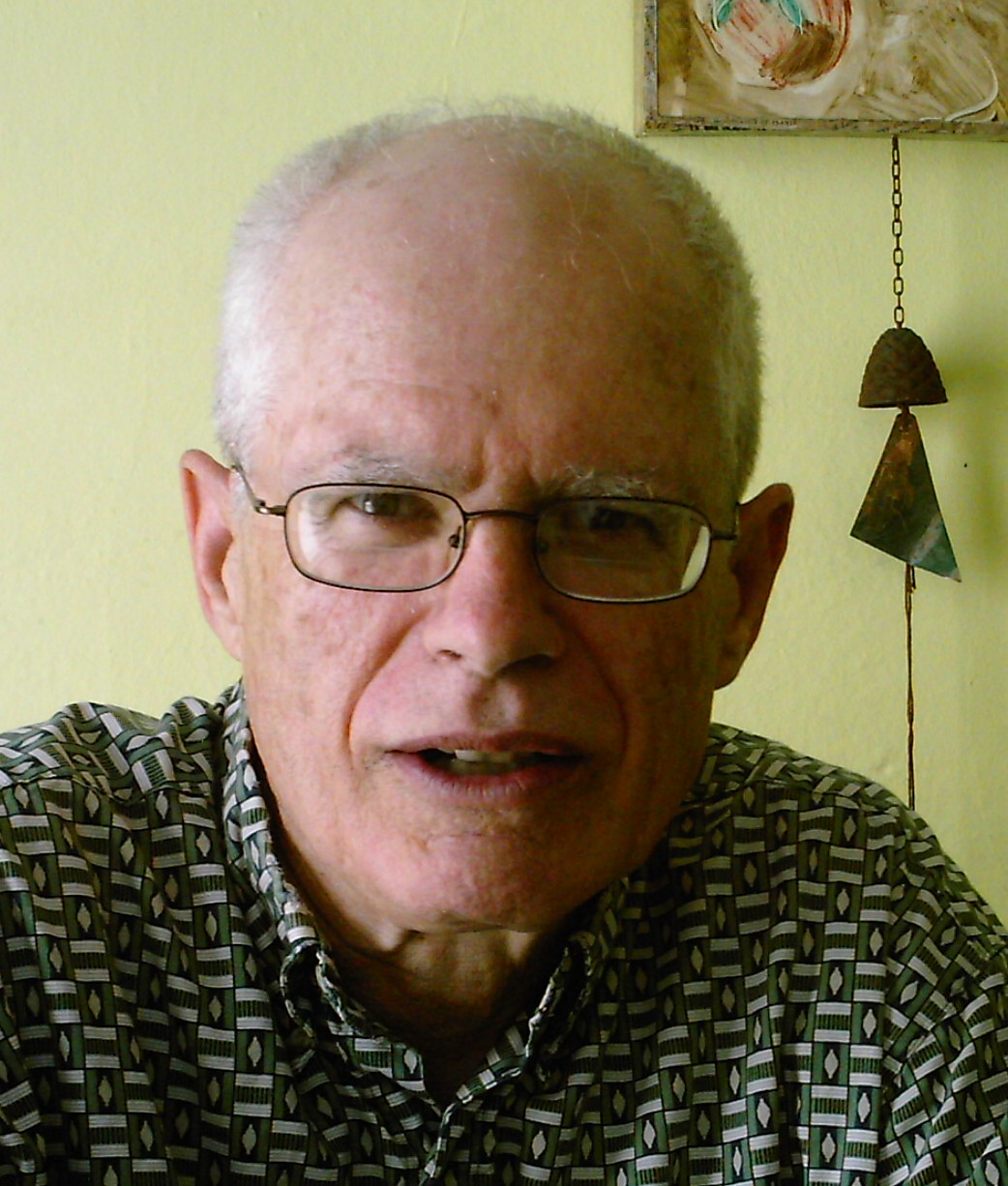
Prof. Tom Leddy
February 11, 2018
“Aesthetic Atheism” is Professor Tom Leddy’s term for a philosophical position that is atheist in that it denies the existence of God, souls and immortality, but is open to valuing religious experience as a kind of aesthetic phenomenon. This theory draws from his readings of such philosophers as Plato, Kant and Nietzsche. He argues that religious experience can be best described as an experience of the sublime. He has written about this theory on his blog: http://aestheticstoday.blogspot.com/2016/06/table-of-contents-for-aesthetic-atheism.html.
Thomas Leddy is Professor of Philosophy at San Jose State University where he has taught since 1983. He received his Ph.D. from Boston University in 1981. He is author of “The Extraordinary in the Ordinary: The Aesthetics of Everyday Life” (2012) and edits a popular blog on aesthetics, Aesthetics Today: http://aestheticstoday.blogspot.com/
Aesthetic Atheism – Prof. Tom Leddy from Humanist Community-SiliconValley on Vimeo.
RSVP on Meetup here.
Like us on Facebook here.
Follow us on Twitter here.
See videos of our past Forums here.

 Sudhanshu “Suds” Jain designed integrated circuits for 25 years. In 2008 he decided that the impending Climate crisis was far more important than designing the next switch chip for computer networking and he “retired” from Broadcom Corporation to become a “professional volunteer”. He coached a FIRST Lego League robotics team for 5 years, and he co-founded the high school team at Wilcox High School 3 years ago (which he still coaches). He currently serves on the City of Santa Clara planning commission.
 Michael Abramson is a physicist specializing in system modeling and simulations, and a concerned citizen leading a “Positive Agenda” group who is involved with a number of activist organizations. He will present a new taxonomy of major political groups in our society, highlighting what is common for all of them. Understanding and acknowledging this commonality is a first critical step if we want to overcome our bitter political divisions. How can we come together and build the better and stronger America for all? What our next steps could be? Who could lead the way? It may not be easy to answer these questions, but let’s start this conversation.